
Walks Feel Exhausting
Pulling, dragging, lunging, or reacting whenever a distraction appears.
Dog Training in Fredericksburg, Virginia
Tell us what’s happening. We’ll help you understand what training can realistically improve and recommend a clear path toward calmer behavior, better control, and more confidence with your dog.
Reviews From Local Dog Owners
No judgment. Your first phone consultation is free. Start with an honest conversation about your dog and what you need daily life to look like.
Free Phone Consultation
Tell us what you’re dealing with. A Fredericksburg trainer will call to understand the problem and explain the right next step.
"*" indicates required fields
Your first phone consultation is free. A local trainer will contact you using the information you provide.
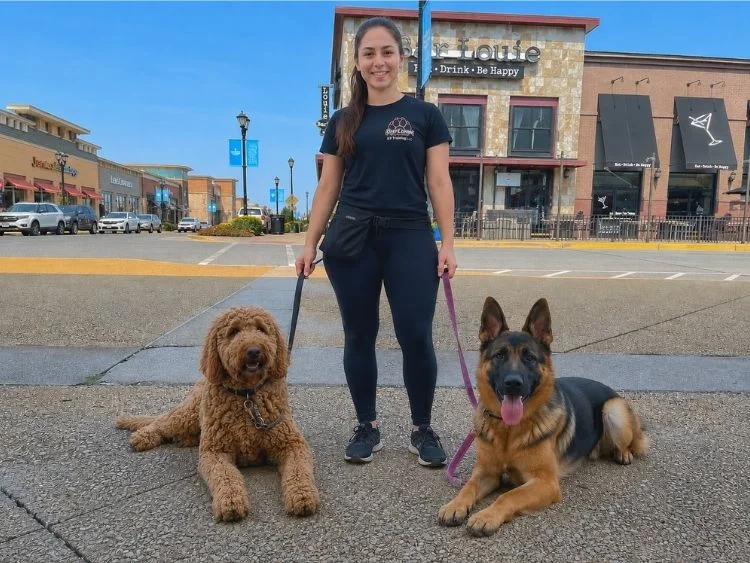
Training should help your dog respond around real-world distractions—not only in a quiet training space.
Does This Sound Familiar?
Maybe one behavior is causing most of the stress. Maybe several things have piled up. Training should begin with what is actually happening in your life.
Pulling, dragging, lunging, or reacting whenever a distraction appears.
Jumping, barking, overexcitement, or a dog who cannot settle after the door opens.
Growling, snapping, guarding, biting, or fighting has made safety the priority.
Biting hands, chewing, accidents, crate struggles, and nonstop energy.
Your dog can sit, stay, come, or heel—until something more interesting appears.
Barking, panic, accidents, or destruction means you cannot leave without worrying.
1) An owner bracing as a dog pulls on a normal sidewalk. 2) A dog rushing or jumping at a doorway while a trainer coaches the owner. 3) A tired puppy owner beside a realistic crate, chew toy, and cleanup setup. Never shame the dog or manufacture danger.
A Result That Matches the Concern
Owners come to us with the same worries you may be facing. Their experiences show what progress can mean in daily life: more confidence, safer handling, and behavior that feels more manageable.
“She has now come back as a more confident dog who is so much easier to handle.”
Glenn P. described receiving practical help handling a 90-pound Dutch Shepherd with fear-reactive behavior—and learning how to use the training tools correctly.
Verified Google ReviewLynnette M. reported that the manners her Golden Retriever learned during Board & Train were still part of daily life years later.
Verified Google ReviewUse a local dog working through the concern featured in the review. For a walking story, show the same route and a comparable distraction before and after training. Keep some imperfection in the “after” footage so the progress remains credible.
▶Training That Transfers to Real Life
Training is not only about what your dog can do with a professional. It is about helping you communicate clearly, respond consistently, and use those skills in everyday life.
Tell us what happens, where it happens, what you have tried, and what you want to change.
The plan reflects the dog’s behavior, learning pace, environment, and your priorities.
You learn what to reinforce, how to respond, and how to keep building progress.
Show the owner actively handling the dog while the trainer coaches from a step away. Use a practical skill such as passing another dog, settling near a doorway, or holding place while a guest enters.
Programs Come After the Problem
Describe what is happening first. A local trainer will listen, explain the available paths, and recommend the training that makes the most sense.
Immersive, consistent practice with a professional trainer, followed by clear owner instruction for the transition home.
Learn alongside your dog, practice between sessions, and build skills together in everyday environments.
Build communication, crate routines, boundaries, confidence, and useful early skills. The local team will clarify what potty-training support is included.
For reactivity, aggression, guarding, or biting concerns where safety, control, realistic goals, and owner handling come first.
The owner holds the leash while a Fredericksburg trainer explains or demonstrates one small adjustment. Use a recognizable local environment when it feels natural. Avoid crossed arms, podium poses, or a trainer displaying a perfectly trained dog alone.
Your Local Team
The Fredericksburg team will listen to what you are experiencing, explain what training can realistically accomplish, and help you choose a plan that fits your dog and your household.
Straight Answers
Clear expectations help you decide whether a conversation with the local team is the right next step.
Many dogs can make meaningful progress. We begin by understanding the behavior, triggers, history, and safety concerns. Then we explain what training and management can realistically improve without promising that every behavior will disappear completely.
Dogs can learn at any age. The training approach and expectations should reflect your dog’s health, history, temperament, and current behavior.
That is common. We will help prioritize the behaviors affecting safety and daily life, then build from there.
No honest trainer can promise that. Some behaviors improve substantially; others need continued practice or management. We will be clear about what you and your dog will need to do.
Puppy training focuses on communication, routines, boundaries, confidence, and foundational skills. If potty training is one of your priorities, tell the local trainer what is happening so they can explain what the recommended program includes and what will need to continue at home.
Start With a Free Phone Consultation
You do not need to diagnose the problem or know which program to choose. Tell us about your dog, what daily life looks like now, and what you hope will change.